OUR PORTFOLIO OF
PURPOSE-DRIVEN DESIGN
Every Project Begins with Conservation, Longevity, and Craft
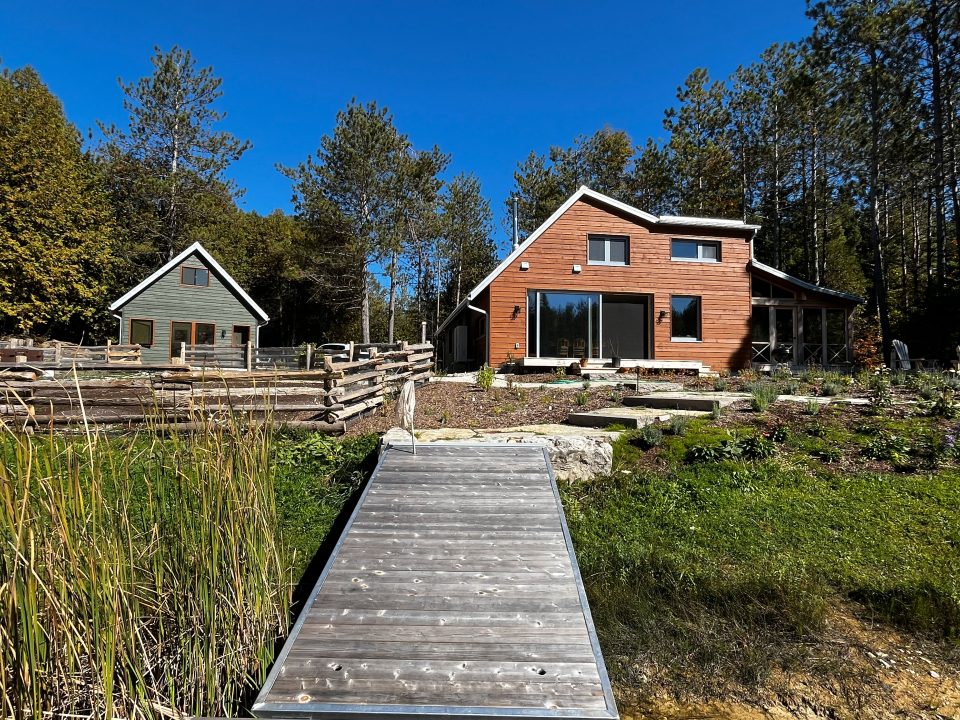
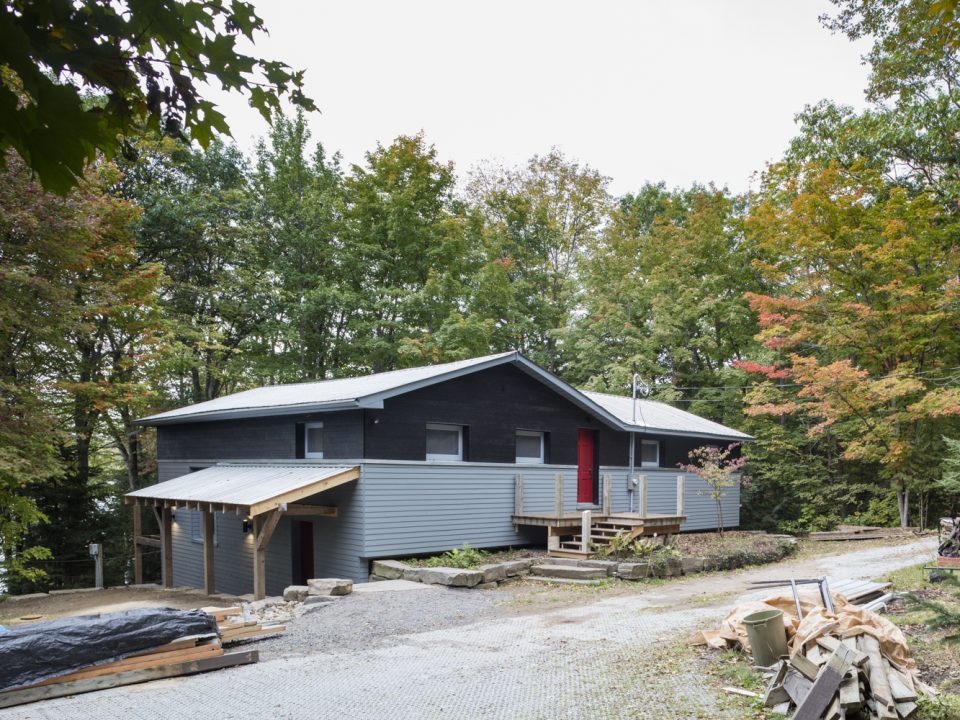
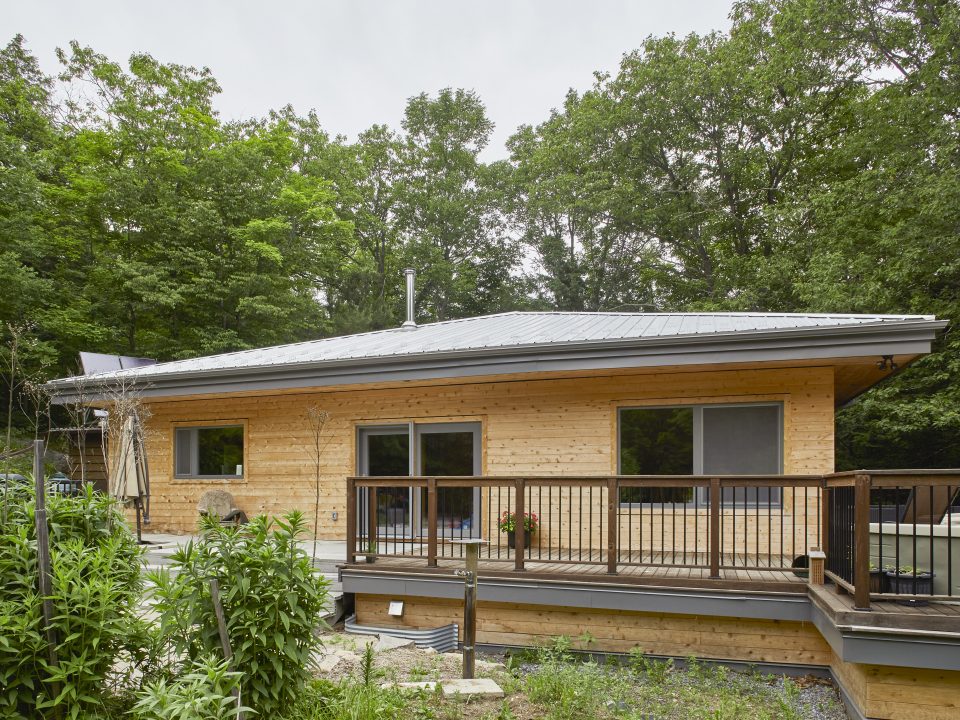
Stone’s Throw Design Inc. creates sustainable architecture projects that blend environmental responsibility with timeless design. Each project represents a commitment to conservation over technology and longevity over fashion, proving that high performance and natural beauty can coexist.
- Date
- November 7, 2025
- Date
- November 7, 2025
- Date
- November 7, 2025
- Date
- November 7, 2025
- Date
- November 7, 2025
- Date
- November 7, 2025
- Date
- November 7, 2025
- Date
- November 7, 2025
- Date
- November 7, 2025
- Date
- August 30, 2018
- Date
- August 30, 2018
Frequently Asked Questions
What defines a sustainable architecture project?
What materials are most effective for green building?
Do you design for both rural and urban sites?
How long do these projects take from concept to completion?
Are your projects custom or modular?
What is passive solar design?
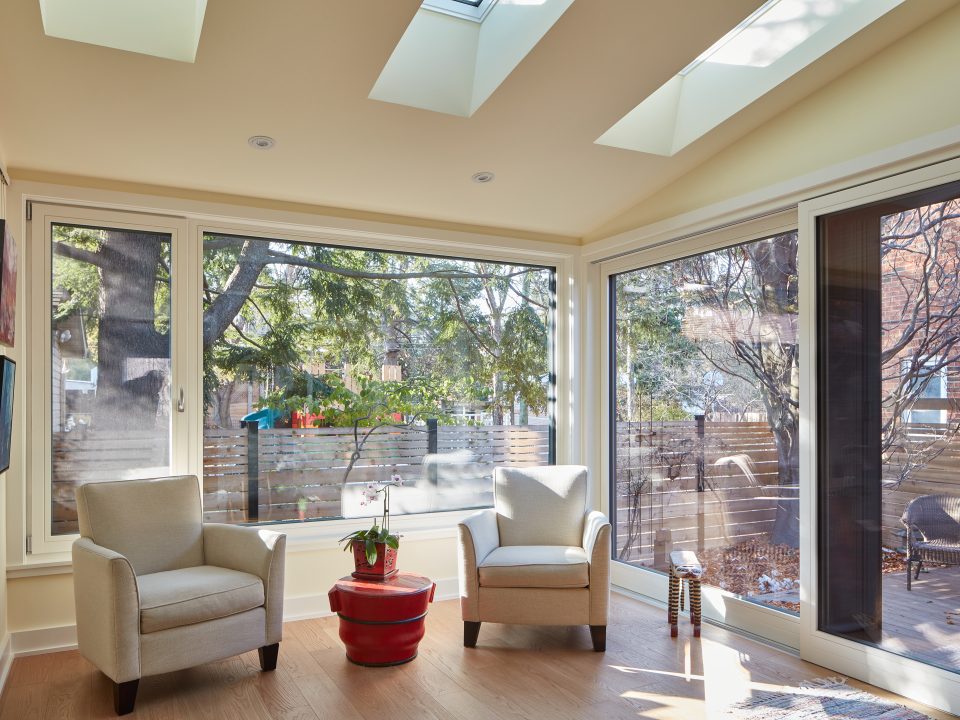
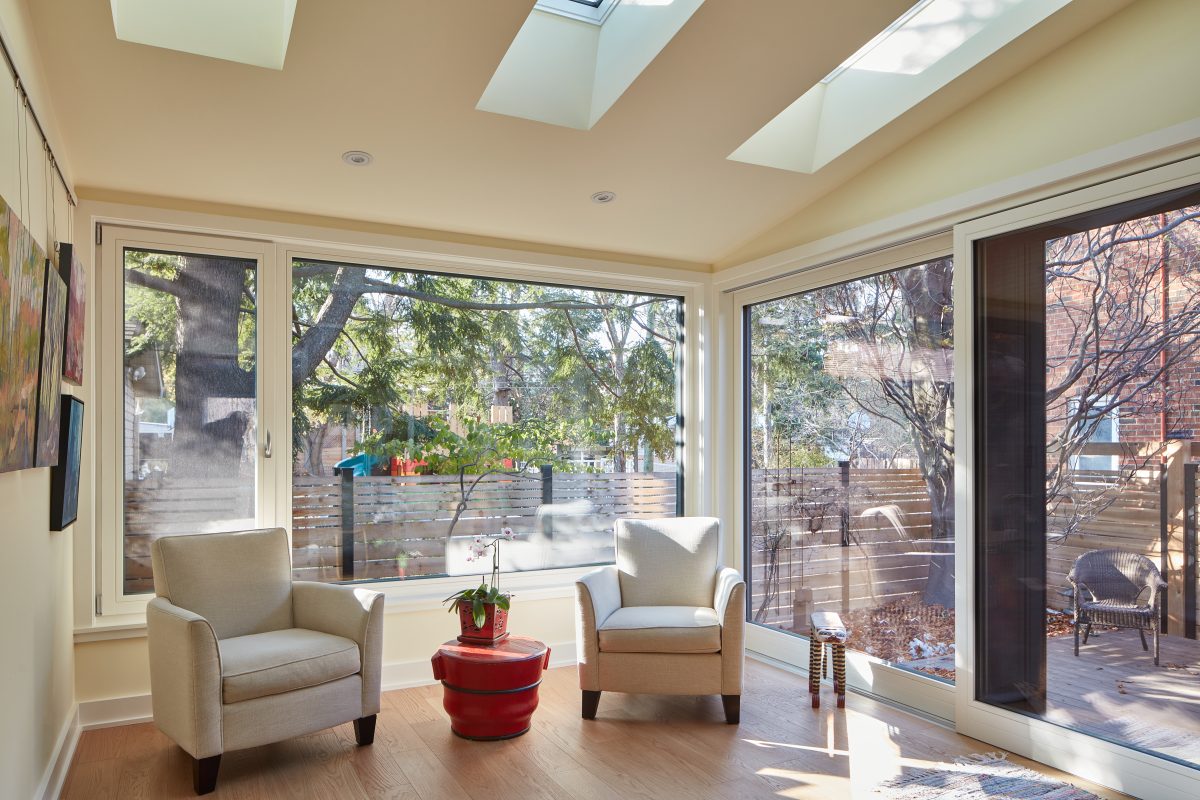
When combined with high-performance insulation, strategic thermal mass, and well-insulated, energy-efficient windows, passive solar design helps create stable indoor temperatures year-round. A home oriented toward the sun feels naturally warm and inviting; it’s a powerful renewable resource hiding in plain sight. Much like plants turn toward the light, our buildings can do the same, gaining efficiency with minimal additional cost.
Through detailed energy modelling, we can fine-tune the ratio of window area to wall area, ensuring spaces are bright and warm without risking overheating. Even on challenging sites with limited southern exposure, thoughtful three-dimensional design can still capture essential solar gains. Triple-glazed windows then seal in that comfort, maintaining a balanced, cozy environment in every season.
What is the thermal envelope of a building?
Think of the thermal envelope as both a winter coat and a summer umbrella. It shields you from increasingly intense weather while performing several functions at once: it forms part of the structure, keeps out wind and rain, provides insulation, and serves as the finished exterior of your building.
Material choice matters. The components of the thermal envelope must be durable and able to maintain their performance over decades. While a natural patina can add character, hidden degradation beneath the surface can threaten both comfort and structural integrity. Selecting materials with long lifespans—and assembling them correctly—ensures the building ages gracefully rather than deteriorates.
Moisture is the enemy of most building materials. Proper insulation placement reduces the risk of condensation, while robust flashing, weatherproofing, and a continuous air barrier protect against water intrusion. In northern climates, a smart vapour barrier on the interior helps control moisture moving through the building assembly.
Protect your home—and your health—by ensuring the thermal envelope is designed with sound building science. It’s one of the most important investments you can make in long-term resilience and comfort.
Why insulation is the key to sustainable design?
Investing in high-quality insulation and windows also simplifies your mechanical systems. As heating and cooling demand drops, so does the size—and cost—of the equipment required. A typical code-minimum home often consumes more than 100 kWh/m² annually for heating. When a building’s demand falls into the Passive House–aligned range of 30 to 15 kWh/m² per year, a wider array of simple, low-energy heating options becomes viable.
In smaller homes, this may be as straightforward as electric baseboards, even with higher electrical rates. For those seeking the lowest operational energy use, air-to-air heat pumps with heat recovery become an efficient choice in larger or more complex buildings. Achieving these low-energy mechanical options generally requires insulation levels in the range of R-40 to R-60 throughout the building enclosure.
By choosing the right insulation and aiming for higher performance, you improve comfort, reduce carbon emissions, and create a healthier, more resilient home.
How can windows and doors add to sustainability?
Frames play a surprisingly large role in heat loss. Up to 30% of a window’s total energy loss occurs through the frame, which is why larger windows—where glass makes up a greater proportion of the unit—are often more energy efficient. Fixed windows also tend to outperform operable ones because their frames are slimmer and have fewer moving parts that can leak over time.
Triple glazing paired with thermally broken frames and robust European hardware significantly boosts comfort and efficiency. In Passive House design, the interior surface temperature of the window must remain within 3°C of the indoor air temperature. If it drops below that threshold, convection currents create drafts and discomfort—even in an otherwise airtight home. European Passive House–certified windows consistently meet these requirements and, in many cases, are built better and priced more competitively than domestic options.
Despite their benefits, windows are still one of the most expensive ways to capture solar heat. Thoughtful placement and sizing are essential to avoid overheating, reduce energy loss, and maintain year-round comfort. Doors deserve similar attention: many of today's triple-glazed doors offer the best performance for the cost, and when a solid wood aesthetic is preferred, Passive House–rated options are available.
Strategically chosen and carefully detailed, windows and doors become assets—not liabilities—in a high-performance building.
Why air tightness is the secret sauce of sustainable design?
A leaky building cannot perform well—no matter how much insulation you install. When air slips through gaps in the building envelope, it bypasses the insulation entirely. This uncontrolled airflow is responsible for the vast majority of heat loss in typical homes. It also carries moisture into wall assemblies, where it can condense and eventually lead to mold, rot, and reduced structural integrity.
Air tightness is very different from breathability. A well-built home can be airtight and made from materials that allow moisture to diffuse safely—much like a Gore-Tex jacket keeps out wind and rain while still letting moisture escape. The air barrier manages most of the moisture by preventing humid air from entering the assemblies, while breathable materials allow any remaining moisture to dry out harmlessly.
When air tightness and material breathability work together, the result is a healthy, durable building that maintains comfort with minimal energy input.
How can sustainable design help air quality?
In an airtight home, controlled ventilation becomes essential. Everyday activities—cooking, showering, cleaning, even breathing—produce moisture and indoor pollutants that need a safe path to the outdoors. A high-efficiency Heat Recovery Ventilator (HRV) or Energy Recovery Ventilator (ERV) provides this fresh-air exchange while conserving energy.
These systems introduce a steady supply of clean outdoor air and transfer heat (and, in the case of ERVs, moisture) from the outgoing stale air to the incoming fresh air. The result is a continuous flow of filtered, tempered air delivered to the main living spaces—keeping your home comfortable, healthy, and well-ventilated all year round.