What are the main stages of an architectural project in Ontario?
In Ontario, most architectural projects progress through a minimum of five core stages before and during construction. These stages ensure that the design is thoughtful, compliant, and buildable. The five primary stages are:
- Pre-Design
- Design Development 1
- Minor Variance Hearing / Zoning amendment
- Design Development 2
- Working Drawings
- Site Visits and Communication
Each stage builds on the previous one, gradually transforming an idea into a constructed building.
The Pre-Design stage focuses on research and due diligence. Its purpose is to gather and understand all critical information about the existing site and the regulatory authorities that govern it. This typically includes site measurements, surveys, and zoning bylaws, but may also involve heritage constraints, forestry considerations, or conservation authority regulations.
Using this information, we create a 3D model and virtual walkthrough of the existing building. Most importantly, we prepare a detailed site plan that clearly illustrates key zoning metrics such as setbacks, height, lot coverage, and allowable floor area. This material is reviewed with the local planning department to identify opportunities and constraints and to establish the best path forward in support of the client’s goals.
The Pre-Design stage typically takes 2–4 weeks.
What is Design Development 1?
Design Development 1 is the first creative design phase. Using the existing 3D model, client inspiration, budget considerations, and site-specific constraints identified during Pre-Design, we develop a cohesive architectural concept.
This stage is intentionally flexible and exploratory. It focuses on spatial flow, massing, and maximizing the strengths of the existing building and site. The client’s programmatic “wish list” is translated directly into the design. Preliminary dimensions are provided, and basic cabinetry and layouts are established. These drawings are not intended for construction; rather, they serve as a foundation for refinement in Design Development 2.
Following a client meeting to review and discuss the 3D model, clients receive a set of plans and elevations for further consideration. Design Development 1 typically takes 2–4 weeks.
What is a Minor Variance Hearing?
If a proposed design does not comply with the applicable zoning bylaws, a Minor Variance hearing is required—a common occurrence across Ontario municipalities.
Using the Design Development 1 drawings, along with any additional supporting documentation, we prepare and submit the required applications to request relief from zoning restrictions. We coordinate closely with the municipal planner assigned to the project to ensure clarity and alignment ahead of the hearing. In some cases, negotiations are required, and revised drawings are prepared to improve the likelihood of approval.
We also assist clients in communicating with neighbours who may be affected by the proposed variances. A clear and well-reasoned planning argument is prepared and presented at the hearing. Once approved, variances become final and binding after a 30-day appeal period. The Minor Variance process typically takes 2–4 months.
What is Design Development 2?
Design Development 2 builds on the approved or refined DD1 design and introduces a higher level of technical resolution. After a focused round of revisions, the design evolves to include a clearer understanding of construction methods, materials, and detailing.
These drawings contain additional dimensions and details and are shared with potential engineers, contractors, and other consultants required for permitting. Once the consultant team is assembled, collaborative meetings are held to review the design, confirm technical requirements, and align priorities. Client goals are revisited, and expert input is integrated to strengthen the project.
At the conclusion of Design Development 2, the project is ready to proceed to Working Drawings. This stage typically takes 1–2 months, reflecting the increased coordination involved.
Working Drawings & Permits
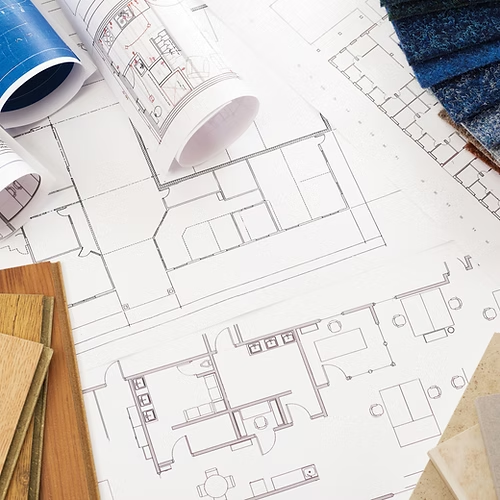
Working drawings are the technical documents used to build the project. They describe how the building is constructed, including walls, floors, roofs, foundations, and assemblies. These drawings include precise dimensions, materials, and construction details, allowing contractors to accurately price and build the project.
Working drawings also contain sufficient building code information to obtain a building permit. They are not interior design or decorative drawings. Early in the project, we work backward from a realistic construction start date to establish permit submission deadlines.
This is the most intensive phase of the project, requiring close coordination with all consultants to produce a complete and cohesive permit and construction package.
Site Visits and Communication
Site visits represent the ongoing communication and support phase of the project and extend throughout construction. This stage includes phone calls, virtual meetings, site reviews, and design clarifications that arise as conditions are uncovered on site.
During construction, the architect acts as a key partner within the design and construction team—providing informed guidance, responding to contractor and building department questions, and helping navigate unforeseen challenges. Our role is to support the successful execution of the design while keeping the project moving forward efficiently and collaboratively.